Wondering whether a Vanderbilt Beach condo renovation will be simple cosmetic work or a much bigger process? In this stretch of Naples coastline, that question matters more than many buyers and owners expect. If you are planning updates, evaluating a purchase, or preparing a unit for resale, understanding the overlap between condo rules, county permits, and building age can save you time, money, and frustration. Let’s dive in.
Why Vanderbilt Beach Condo Age Matters
Vanderbilt Beach includes older coastal condominium buildings, and that can shape your renovation plans from day one. For example, a Collier County milestone notice for Vanderbilt Towers Unit 1 shows a certificate of occupancy date of November 23, 1970.
That matters because older multi-story coastal buildings may be subject to Florida and Collier County milestone inspection requirements. In Collier County, condominium and cooperative buildings with three or more habitable stories located within three miles of saltwater generally face a first milestone inspection at 25 years, then every 10 years after that.
If you are buying or updating a condo in Vanderbilt Beach, building age is not just background information. It can affect timing, access, repair obligations, and the practical scope of your remodel.
Check Milestone Status First
Before you finalize finishes, contractors, or budgets, confirm the building’s milestone inspection status. Collier County allows you to check milestone information through its county portal using a building name, address, or reference number.
This step is especially important in older beachfront and near-beach buildings. If a phase-two milestone inspection identifies substantial structural deterioration, Collier County says a repair permit must be applied for within 150 days, and substantial repairs must begin within 365 days.
For you, that can mean renovation timing may depend on more than your own unit plans. Open building repair obligations or active structural work could affect access, scheduling, and the type of work the association is willing to approve.
Association Approval Comes Early
One of the biggest mistakes condo owners make is treating board approval like a final checkbox. In reality, association approval often needs to happen before your remodel plan is truly final.
Florida law allows a condominium’s declaration and bylaws to set the process for approving material alterations to common elements. If the condo documents do not state a procedure, approval from 75 percent of the total voting interests is required before work begins.
Florida law also says a unit owner may not do anything within a unit or on the common elements that would adversely affect the safety or soundness of property maintained by the association. In practical terms, even work that seems contained within your unit can trigger review if it affects shared systems, structure, or building components.
Know What Belongs to You
In a condo renovation, one of the first questions is what area is part of your unit and what area is a common element. Under Florida law, common elements are generally maintained, repaired, and replaced by the association unless the declaration assigns a limited common element to the unit owner.
That distinction matters when your project touches walls, windows, doors, mechanical systems, or exterior-facing components. It also matters after a property loss, because a unit owner may undertake reconstruction work on portions of the unit only with prior written board consent.
The board may also place conditions on that approval. Those conditions can relate to repair methods, contractor qualifications, or even the form of contract used for the work.
Cosmetic Updates vs Permit Work
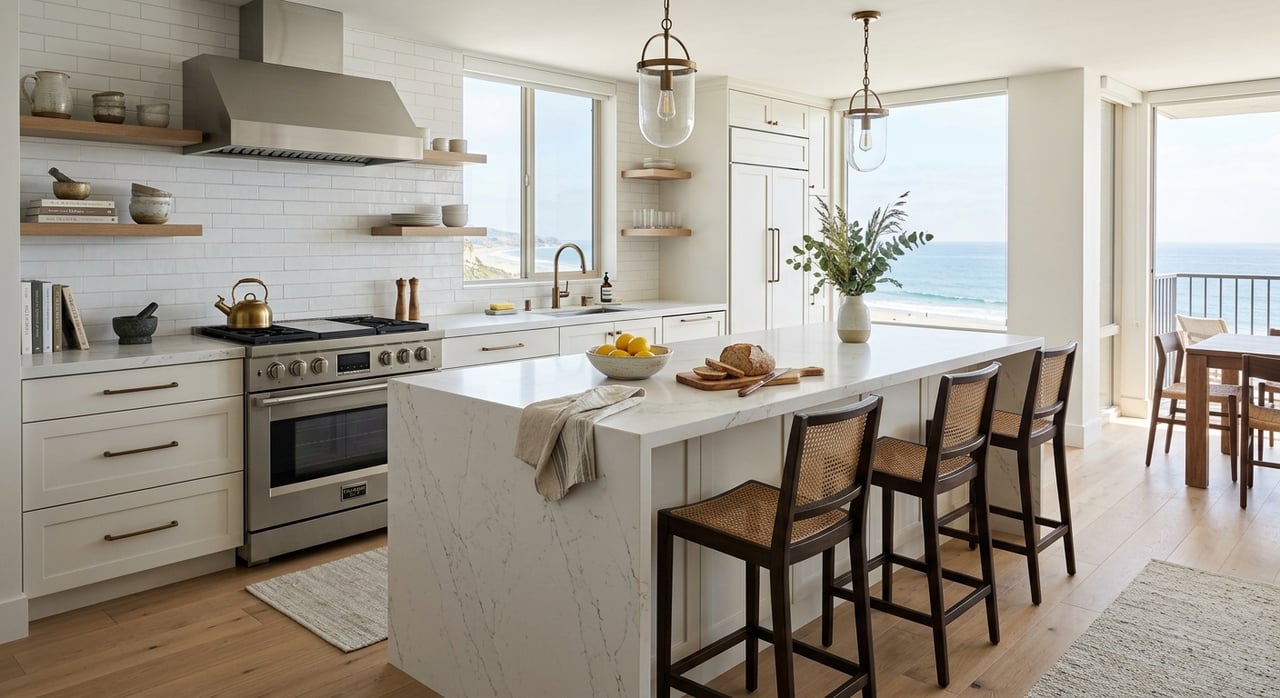
Many Vanderbilt Beach condo updates start with finishes, and some of that work may be permit-exempt in Collier County. The county lists several finish-work items as permit-exempt, including flooring installation, paint or wallpaper, finish trim work, interior door replacement that does not change the framed opening, small drywall repairs, cabinetry, countertops, tiling, carpeting, and similar finish work.
That said, permit-exempt does not always mean complication-free. Collier County notes these exemptions do not apply if structural integrity or fire-rated separations are affected, and flood-hazard areas can still trigger substantial-improvement review.
So while a straightforward interior refresh may stay simple, the scope can change quickly once a project moves beyond finishes. If your contractor starts discussing relocations, penetrations, system changes, or exterior components, it is time to pause and verify the county path and the association path.
Projects That Commonly Trigger More Review
In coastal condominiums, certain upgrade categories usually require more documentation and a clearer approval process. Collier County has separate review tracks for multi-family HVAC replacements, water-heater changes, windows, doors, shutters, and roof work.
Those reviews can become more detailed when equipment size, type, location, ductwork, or roof scope changes. Even when the project seems like a replacement, the county may still require supporting plans, product approvals, or other technical information.
For luxury buyers and second-home owners, this is where early planning pays off. A polished design vision is helpful, but the practical success of the project often depends on whether the scope fits the building’s rules and the county’s requirements.
Windows, Doors, and Shutters
Window, door, and shutter projects in Vanderbilt Beach deserve special attention because of coastal exposure and code compliance. Collier County requires a floor plan or layout, Florida Product Approval or Miami-Dade NOA information, and a wind-load design-pressure table for these applications.
The county also notes that like-for-like replacement of existing windows, doors, or shutters does not require a threshold inspector. However, standard permitting and inspections still apply.
This means a replacement may be more manageable than a redesign, but it is still not an informal project. You will want to coordinate product selection, board approval, and permit documentation before installation dates are set.
Roof and Building Envelope Work
Roof work is typically outside the scope of an individual unit owner, but it still matters if you are buying into an older beachfront condominium. Collier County states that roof replacement, repair, or recover work for multi-family buildings may require signed-and-sealed plans, product-approval information, and a site plan.
If the building is already addressing roof or envelope work, your own renovation schedule may be affected. That is another reason it helps to understand the building’s current repair activity before you commit to timing, tenants, or furnishing plans.
Hurricane Protection Is Its Own Category
In Florida condominiums, hurricane protection is treated differently from many other alterations. Florida law says boards must adopt building-specific specifications, and those specifications must comply with the building code.
When hurricane protection conforms to those specifications, its installation, maintenance, repair, replacement, and operation is not treated as a material alteration. For you, that means shutters or similar protection may follow a more defined path than other exterior changes, but the building’s adopted standards still control the process.
A Smart Renovation Sequence
If you want to keep a Vanderbilt Beach condo update efficient, the order of operations matters. The most practical sequence is usually less about design inspiration and more about confirming constraints first.
Here is a simple framework to follow:
- Review the condo declaration, bylaws, and alteration rules.
- Check milestone inspection status and any open repair activity.
- Define whether the project is cosmetic finish work or a systems/common-element change.
- Confirm what level of board approval is required.
- Match the project to the correct Collier County permit path.
- Coordinate licensed professionals when scope touches life-safety, structure, or building systems.
Collier County’s design-professional guidance notes that architect participation depends on scope when life-safety issues are involved, and engineers may be needed for structural, coastal, mechanical, plumbing, electrical, or fire-protection design. In a high-value coastal condo, that professional coordination can help prevent expensive delays later.
What Buyers and Investors Should Watch For
If you are buying a Vanderbilt Beach condo with plans to renovate, the renovation process should be part of your purchase evaluation, not an afterthought. A beautifully located unit may still come with timing constraints tied to milestone inspections, active association projects, or approval limits on certain alterations.
For second-home owners and investors, remote ownership adds another layer. You may need a clear local game plan for board communication, contractor coordination, and realistic scheduling before closing or immediately after.
This is especially true when your goal is to update the unit for personal use, seasonal occupancy, or future resale positioning. The best opportunities often come from knowing not just what looks appealing, but what is practical within the building.
Why Early Guidance Matters
In Vanderbilt Beach, condo renovations are rarely just about finishes. The real challenge is often the intersection of association governance, county permitting, building age, and any milestone-related repair obligations.
When you understand those pieces early, you can make better decisions whether you are buying, holding, updating, or preparing to sell. That clarity helps you protect your timeline and evaluate a property with the kind of precision coastal condo ownership requires.
If you are exploring Vanderbilt Beach condos and want informed guidance on how renovation potential may affect value, timing, or purchase strategy, connect with Joe Caveney for private, consultative support tailored to Naples’ coastal market.
FAQs
What should you check before renovating a Vanderbilt Beach condo?
- Review the condo documents, confirm the building’s milestone inspection status, and determine whether your project is simple finish work or a change that affects systems, structure, or common elements.
Do cosmetic condo updates in Collier County need permits?
- Some finish work may be permit-exempt, including paint, flooring, cabinetry, countertops, tiling, carpeting, and certain interior door replacements, but exemptions do not apply if structural integrity or fire-rated separations are affected.
Can a condo association in Florida require approval before unit renovations?
- Yes. Florida law allows the declaration and bylaws to govern approval for material alterations, and owners may not perform work that adversely affects the safety or soundness of property maintained by the association.
Why do milestone inspections matter for Vanderbilt Beach condos?
- Older coastal condominium buildings may be subject to milestone inspection requirements, and any resulting repair obligations can affect renovation timing, building access, and project planning.
Are window and door replacements in a Vanderbilt Beach condo simple projects?
- Not always. Collier County typically requires layout information, product-approval documentation, and wind-load design data, and standard permitting and inspections still apply even for like-for-like replacements.