If you are choosing between a Park Shore bayfront address with a dock or a beachfront tower with panoramic Gulf views, the right answer comes down to how you live day to day. Maybe you picture quiet sunrise coffee watching boats glide by, or perhaps nightly sunsets are nonnegotiable. In this guide, you will learn the core lifestyle differences, maintenance and insurance implications, building rules, and resale signals that separate bayfront from beachfront in Park Shore. You will also get a practical checklist to move from browsing to confident action. Let’s dive in.
Park Shore basics: what “bayfront vs beachfront” means
Park Shore sits west of US‑41 in Naples, bracketed by the Gulf of Mexico on one side and Venetian Bay on the other. It includes Gulf‑front high‑rise towers, bayfront homes and condos, and interior single‑family streets. The neighborhood centers on the Park Shore beach amenity and the Village on Venetian Bay for dining and shopping, which defines the area’s walkable lifestyle. You can confirm the neighborhood layout and community context on the City of Naples’ overview of Park Shore at the official Park Shore page.
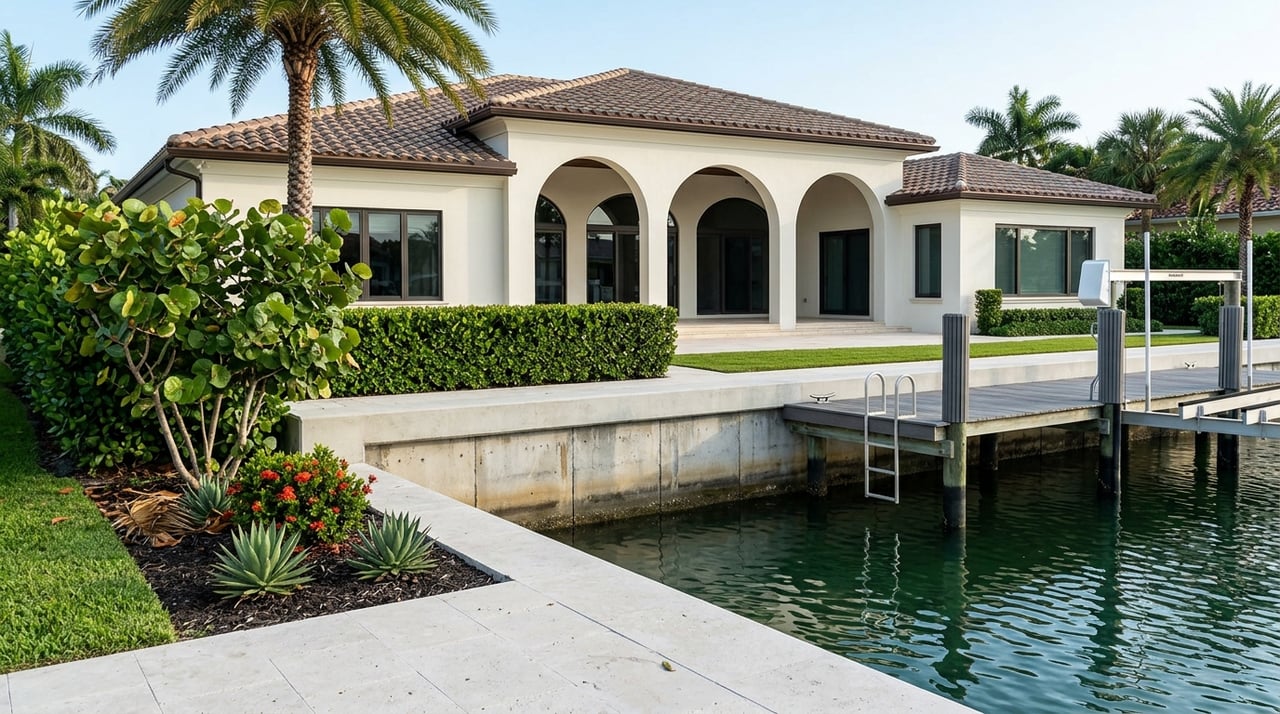
In practice, “beachfront” in Park Shore means buildings along or just off Gulf Shore Boulevard with direct or gated beach access and open Gulf views. “Bayfront” properties sit along Venetian Bay, often with seawalls and private docks or access to nearby marinas. The Village on Venetian Bay anchors waterside retail and restaurants, creating an easy link between home, harbor views, and dining options; browse the scene through this Village on Venetian Bay profile.
Lifestyle tradeoffs that matter every day
Views and natural light
- Beachfront gives you broad horizon views, western exposure, and direct sunsets. Homes and condos often prioritize large glass facing the Gulf and expansive terraces.
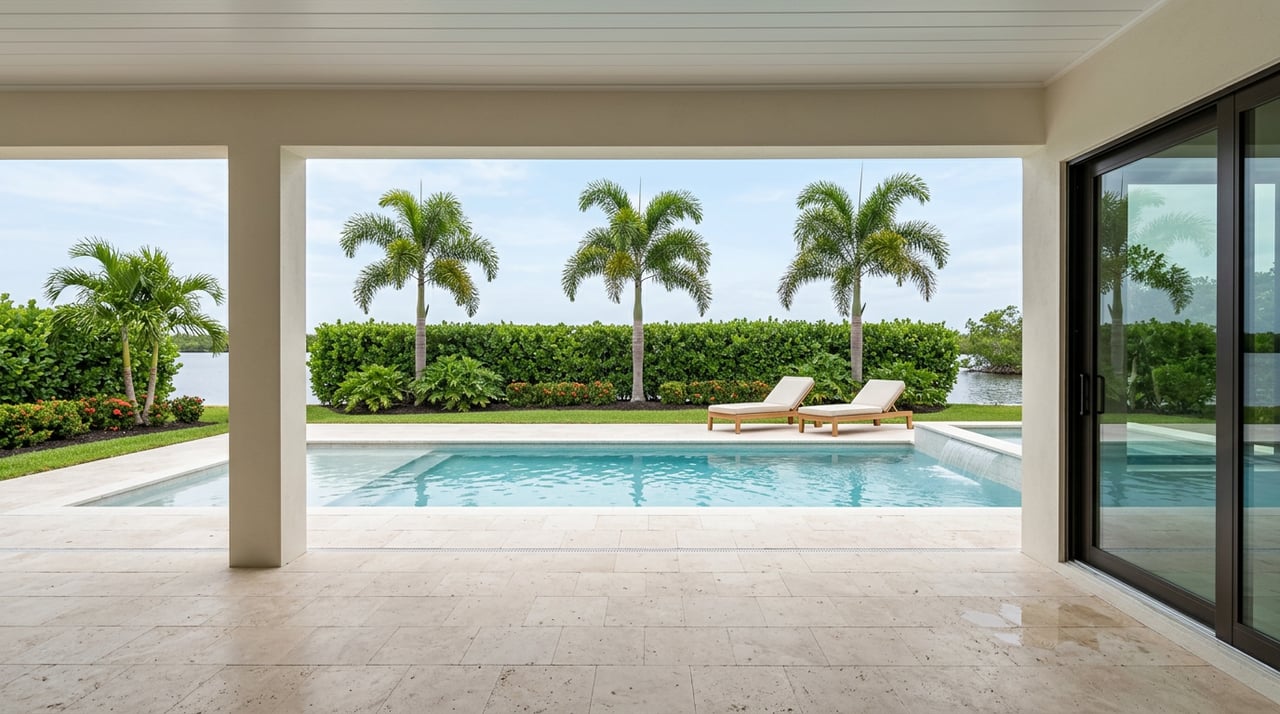
- Bayfront offers calmer water, intimate waterline perspectives, and lively boat activity. Expect softer morning light and reflective sunrise scenes, though vistas are typically more framed than the open Gulf.
These view and light tradeoffs are common decision points for Park Shore buyers, and they flow from the neighborhood’s unique Gulf-and-bay footprint noted by the City of Naples.
Boating and marine access
- Bayfront living usually pairs with private seawalls and boat docks, with direct access to Venetian Bay and sheltered routes to the Gulf. Local marina work and dock permitting fall under federal and local oversight. You can see how permitting plays out in practice by reviewing a Jacksonville District public notice from the U.S. Army Corps of Engineers.
- Beachfront parcels rarely include deepwater docks. If boating is part of your routine, you will likely rely on nearby marinas or bayfront neighbors. Always verify any dock rights on the plat and with the City or County.
Walkability and convenience
Park Shore is one of Naples’ more walkable beach neighborhoods. Many buildings and streets connect to the beach promenade and to the Village on Venetian Bay’s dining and retail. If you value short walks to restaurants, cafés, and the sand, both bayfront and beachfront locations near the Village stand out. For the bigger picture on Park Shore’s connected layout, refer to the City of Naples neighborhood snapshot.
Storm exposure and coastal work
- Beachfront properties face direct wave action and Gulf storm surge. Post‑storm beach changes have driven sand redistribution and renourishment along this stretch. For context on recent storm impacts, see the Florida DEP’s report on Hurricanes Ian and Nicole.
- Bayfront parcels are more sheltered from breaking waves but remain vulnerable to high tides, surge, and bay flooding. NOAA’s Naples station documents sea‑level rise and extreme‑water probabilities that factor into elevation planning and flood coverage. Review the exceedance curves for the local station at NOAA’s Tides & Currents resource.
Buildings, rules, and recurring costs
What you will find in Park Shore
Park Shore blends beachfront high‑rise towers, many dating to the 1970s and 1980s with ongoing modernizations, and bayfront low‑ to mid‑rise condos plus single‑family homes. The scarcity of large Gulf‑front single‑family lots drives demand for beachfront units and renovated bayfront homes. You can confirm the neighborhood’s mix and geography in the City’s Park Shore overview.
High‑rise inspections and SIRS
Florida now requires milestone structural inspections and Structural Integrity Reserve Studies for buildings three stories or more. These rules shape association reserves, special assessments, and disclosures. When you evaluate a condo, request the building’s milestone inspection summary, SIRS, latest budget, and any assessment or litigation notices. For state guidance on these requirements, review the DBPR condominium FAQs.
Seawalls, docks, and permits
For bayfront owners, seawalls and docks are significant line items. Major seawall work often reaches into the tens or hundreds of thousands depending on length, access, and method. Costs and projects are influenced by local and state permits, and in some cases by federal authorization for work in navigable waters. For a sense of project scope and budgeting in the Naples area, see Collier County’s Coastal Advisory Committee materials that summarize recent coastal work and related costs in the committee agenda packet. Coordinate early with your contractor and confirm permit history before you buy.
Insurance, flood maps, and premiums
Flood zone and elevation drive flood insurance pricing. Standard homeowners insurance does not cover flood, so verify current NFIP or private flood quotes and any lender requirements. Start by checking the property’s flood zone at FEMA’s Flood Map Service Center. Pair that with local tidal trends and extreme‑water data to inform elevation and mitigation planning, using NOAA’s Naples station exceedance curves noted above.
Market behavior, resale, and renovation
Gulf‑front premiums and demand
Local reporting on Gulf Shore Boulevard and Park Shore shows beachfront buildings commonly trade at higher prices per square foot than similar bayfront or interior properties. That premium is sensitive to building reputation, floor height, view corridor, and the association’s reserve and assessment profile. In other words, a 15th‑floor Gulf view in a well‑funded tower behaves very differently from a low‑floor unit facing a neighboring building, even within the same address.
Renovation focus by location
- Beachfront units often prioritize impact‑rated windows and doors, terrace waterproofing, and interior upgrades. Building‑level projects like concrete restoration or garage work can lead to special assessments and can temporarily affect resale, so you should review the latest engineering summaries and reserves. The DBPR’s condominium guidance explains how inspections and reserves intersect with owner costs.
- Bayfront homes and condos hinge on seawall and dock condition, permitted slip length, and proximity to open routes. Documented recent seawall or dock work and warranties are strong selling points. For practical budgeting context, see this local overview of seawall maintenance and costs.
Quick decision guide: bayfront vs beachfront
Use this simple filter to align the address with your lifestyle:
- Choose beachfront if you want daily sunsets, direct beach access, and the sound of the Gulf. Expect higher per‑square‑foot pricing and focus due diligence on building projects, reserves, and assessments.
- Choose bayfront if you value a private dock, calm water views, and sheltered boating access. Budget for seawall and dock upkeep, and confirm permits and slip rules early.
- For walkability to dining and retail, both locations near the Village on Venetian Bay deliver. Your building or street choice will fine‑tune how close you are to the promenade and shops.
- For storm exposure, beachfront faces direct wave energy while bayfront is more about surge and tide. Elevation, flood zone, and building resilience matter on both sides.
Buyer due diligence checklist
Work through these steps before you write an offer:
- Verify exact location and beach rights. Confirm whether access is deeded or association‑managed and review neighborhood beach‑park maps via the Park Shore Association.
- Check flood zone and elevation. Run the address at FEMA’s Flood Map Service Center and request an Elevation Certificate if available. Compare lowest finished floor to FEMA Base Flood Elevation.
- Evaluate building safety and reserves for condos. Request the milestone inspection summary, Structural Integrity Reserve Study, latest budget, and any assessment or litigation notices. Use the DBPR FAQs to understand requirements.
- Confirm seawall and dock history for bayfront. Gather permits, contractor invoices, and engineering reports, and confirm if any federal or state authorizations were required. The U.S. Army Corps maintains public notices for local permits; see an example in the Jacksonville District archive.
- Price insurance and set operating expectations. Obtain flood and wind quotes specific to the property type and association policy. Use NOAA’s exceedance curves for the Naples station to inform long‑range planning at Tides & Currents.
Final thoughts
In Park Shore, neither choice is “better.” Bayfront and beachfront deliver distinct daily rhythms, ownership costs, and resale profiles. The best fit is the one that matches how you want to live, what you want to maintain, and how you plan to use the property over time. If you are narrowing a shortlist, the fastest way to clarity is a side‑by‑side review of building documents, flood data, and marine records.
If you want expert eyes on a specific address, private listings, or building‑level comparisons, connect with the CVJ Team. We will help you align lifestyle, risk, and return so you move confidently. Start the conversation with Joe Caveney.
FAQs
What is the core difference between Park Shore bayfront and beachfront properties?
- Beachfront sits along Gulf Shore Boulevard with direct beach access and open Gulf views, while bayfront lines Venetian Bay with calmer water views and frequent access to private docks.
How does flood risk compare for Park Shore bayfront vs beachfront homes?
- Beachfront is more exposed to direct waves and Gulf surge; bayfront is more about high tides and surge in the bay, so verify flood zones and elevation using FEMA’s Flood Map Service Center.
Do Park Shore beachfront condos typically include private boat docks?
- No. Direct deepwater dockage on the Gulf is unusual for beachfront parcels; most boaters rely on bayfront docks or nearby marinas subject to local and federal permitting.
What condo documents should I request when buying in a Park Shore high‑rise?
- Ask for the milestone structural inspection summary, the Structural Integrity Reserve Study, the latest budget and reserves, and any notices of special assessments or litigation.
How do seawall and dock conditions affect a Park Shore bayfront purchase?
- Seawall and dock condition, permits, and any recent upgrades strongly influence value and future costs, so obtain permits, invoices, and engineer reports before you commit.