If you are eyeing a Port Royal waterfront home, a few extra feet of canal can change your day on the water and your bottom line. Canal width, turning room, depth, and exposure are not minor details. They drive who can buy your property, how they will use it, and what they will pay. In this guide, you will learn how these water factors influence value, what to look for during due diligence, and how to position a listing for maximum appeal. Let’s dive in.
Why canal width matters in Port Royal
Port Royal is one of Naples’ most coveted waterfront neighborhoods. Large lots and private deep-water docks serve everything from dayboats to sizable yachts. For many buyers, the ability to keep and operate a specific vessel at home rivals the importance of interior finishes. Two similar homes can sell very differently based on the canal geometry right outside the seawall.
In simple terms: wider canals and better maneuvering space mean easier docking, safer navigation, and broader buyer appeal. Narrower or confined settings can still be desirable, but the buyer pool skews toward smaller-boat owners or those who value quiet water over yacht capacity.
Canal width and turning room
Canal width
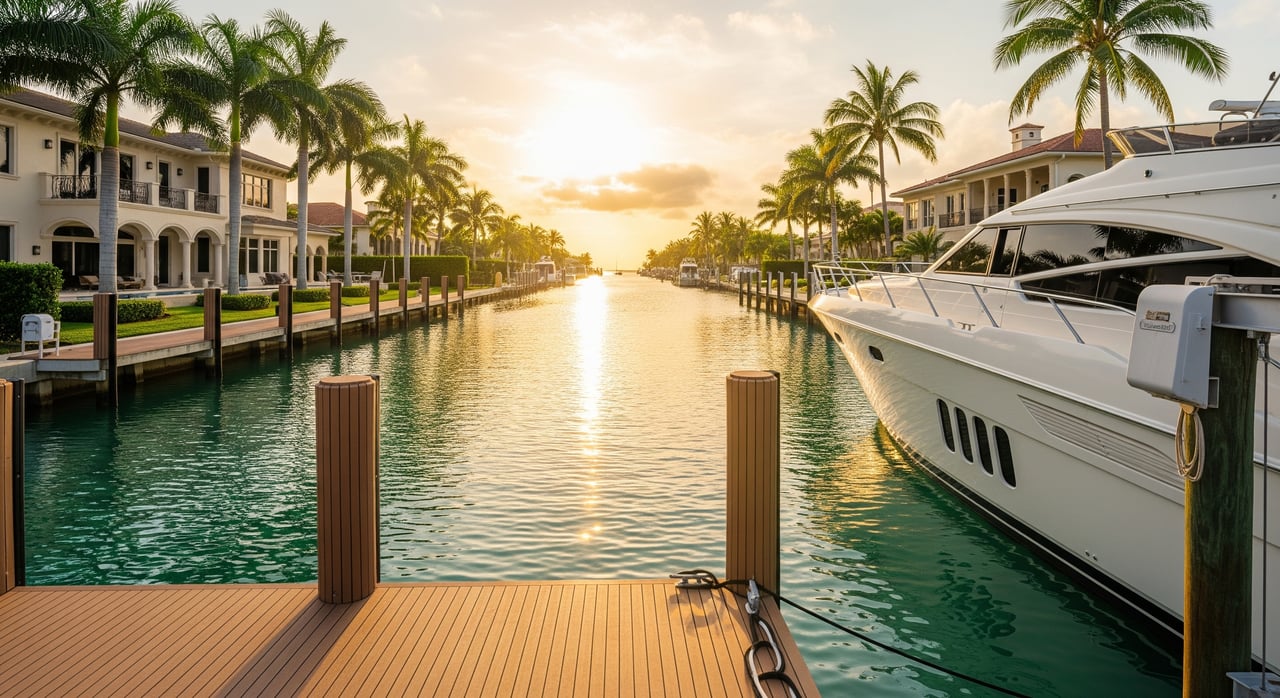
Canal width is the lateral distance across the navigable channel. Wider canals allow you to approach and dock without tight turns or constant course corrections. That ease of use matters most as vessel length and beam increase. Wider settings also reduce the risk of bumping into opposing docks or pilings when wind and current kick up.
- Buyer impact: Larger-vessel owners prioritize wide canals and clear approaches.
- Valuation impact: All else equal, lots on wider canals tend to command premiums over similar homes on constrained waterways.
Turning radius and end-of-canal positions
Turning radius refers to the open water available to swing a boat 180 degrees without backing into neighbors’ docks. End-of-canal lots or parcels near a designed turning basin are prized because they simplify maneuvering and reduce stress, especially for bigger boats that do not handle well in reverse.
- Buyer impact: Yacht and large center-console owners strongly prefer end-of-canal or basin-adjacent lots.
- Valuation impact: These positions often sell at a premium because they expand the practical range of vessels that can use the dock.
Depth, tide, and seabed conditions
Depth at low tide and shoaling
Depth at mean low tide determines the maximum draft you can safely keep at your dock. Shallow bottom profiles limit vessel size and may force you to plan around tides. Shoaling can slowly reduce depth over time, especially in narrower canals or where currents deposit sediment.
- Buyer impact: Owners of deeper-draft vessels will only consider docks with reliable depth. Others may accept shallower water if the home or view wins the day.
- Valuation impact: Consistent deep-water dockage attracts stronger offers; a history of dredging needs can reduce value.
Dredging considerations
Dredging can restore depth, but it requires planning, permits, and budget. In Port Royal, approvals may involve local and state agencies and, in some cases, federal review. Costs and timelines vary based on scope and environmental sensitivity.
- Buyer impact: Frequent or uncertain dredging needs create friction and may limit your buyer pool.
- Valuation impact: Documented, permit-compliant dredging with engineer input can reduce perceived risk, while unverified or needed dredging can invite price adjustments.
Exposure, orientation, and view
Port Royal offers everything from sheltered canals to open-bay vistas. Exposure shapes daily life at the dock.
- Open-bay exposure: Expect sweeping views and faster access to Naples Bay and the Gulf. Wind and wave action can be higher, which may increase dock wear and maintenance.
- Sheltered canals: Calmer water and less lateral wind pressure make docking easier for smaller craft and casual boaters. Views are more intimate, and traffic is lighter.
Neither is right for everyone. Some buyers will pay more for a wide-open panorama and quick passage. Others will choose low-maintenance mooring and privacy. Pricing reflects these priorities.
Dock design and seawall condition
Dock configuration and capabilities
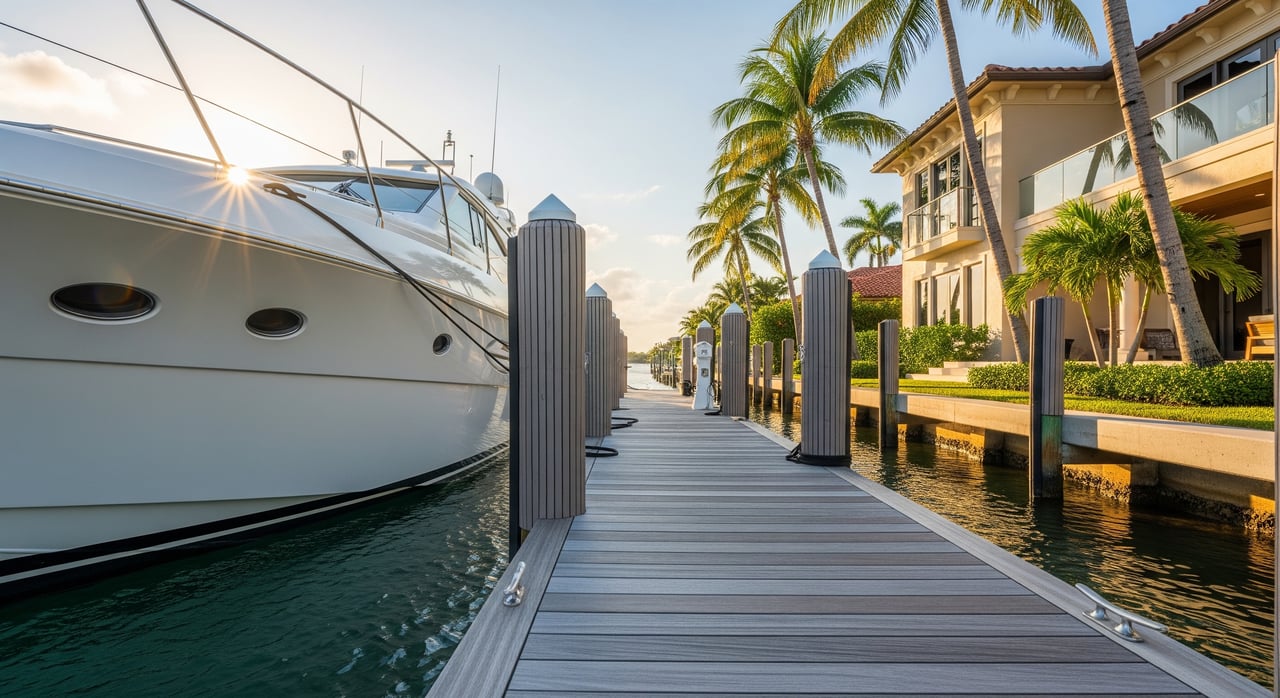
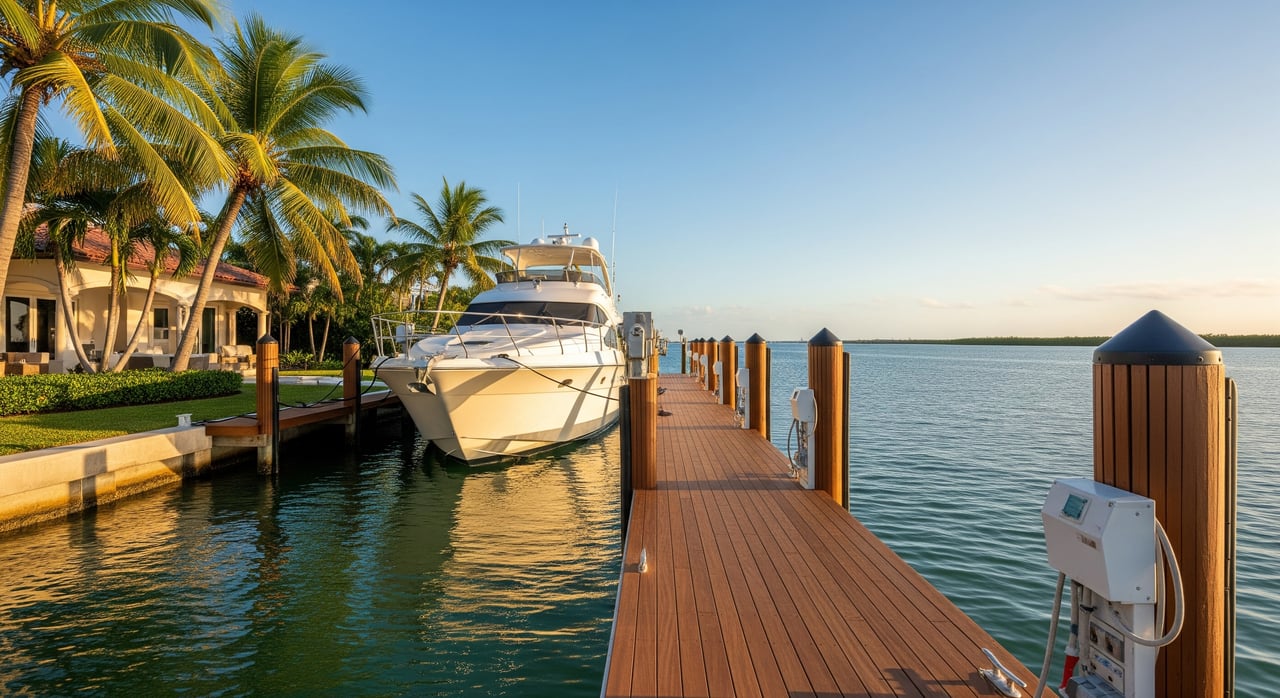
The dock is the functional heart of a Port Royal home. Consider:
- Capacity: Vessel length overall, beam clearance, and side-tie options on both port and starboard.
- Lifts and utilities: Boat lifts, power, water, lighting, and composite decking add daily convenience and reduce upkeep.
- Access and clearance: Pilings, neighboring docks, and channel traffic affect real-world usability.
A private, full-service dock with modern lifts and utilities is a compelling value driver. Shared or minimal dockage reduces appeal for high-end boaters.
Seawall condition and elevation
Seawalls are costly to repair or replace, and their elevation relative to local standards influences both resilience and insurance. Buyers and lenders scrutinize age, structural integrity, and signs of heaving or cracking.
- Buyer impact: Documented, newer seawalls reduce surprise costs.
- Valuation impact: Aging or compromised seawalls often lead to credits, escrows, or price reductions.
Permitting, insurance, and rights that shape feasibility
Waterfront improvements in Port Royal may require approvals from multiple authorities. Typical projects include dock construction or expansion, seawall repairs, lifts, and dredging. Timelines can run months, and some scopes may need engineered plans and environmental mitigation.
Flood and wind coverage are also key. Many Port Royal parcels sit in higher-risk coastal zones. Elevation, structural features, and proximity to open water can affect premium levels. Availability and cost of insurance are part of the total ownership equation and can influence what a buyer will pay.
Finally, review riparian rights and any deed or HOA restrictions. These documents define where and how you can build or moor, and whether you may dredge. Confirm recorded rights and permitting history early to avoid surprises.
How these factors translate to market value
Buyer segmentation
- Yacht and large-boat owners: Highest willingness to pay for wide canals, deep water, end-of-canal or bayfront exposure, and full-service docks.
- Cruisers and dayboat owners: Value quick access and protected berths, and may accept narrower canals if the home and view excel.
- Non-boating luxury buyers: Still value water views and beautiful dockscapes for lifestyle and resale, even if boating is not the priority.
- Investors and second-home owners: Favor easy-to-market dock attributes that support future resale value.
Appraisal and comps
Two Port Royal homes that look similar on paper are not comparable if one cannot safely accommodate a buyer’s vessel. Local appraisals adjust for canal width, end-of-canal positioning, depth, dock capacity, exposure, and seawall condition. Functional limitations, like insufficient turning room or needed seawall replacement, can be treated as functional obsolescence and depress value.
Negotiation levers
Sellers who provide clear documentation simplify underwriting and buyer confidence. Buyers who identify dock liabilities can negotiate price, escrows, or seller-paid improvements. In both cases, real data drives better outcomes.
Buyer due-diligence checklist
Use this checklist to confirm functional value before you commit:
- Verify canal width and turning room with recent surveys or reliable measurements; confirm access to any turning basin.
- Confirm depth at mean low tide and gather bathymetric data; ask about shoaling or prior dredging.
- Validate dock capacity: maximum vessel LOA and beam, side-tie options, lift presence and rated capacity, and utility service at the dock.
- Inspect the seawall: request engineer reports, age, materials, and wall elevation relative to flood standards.
- Review recorded riparian rights, deed restrictions, and any HOA covenants about docks or mooring.
- Pull permitting history for docks, lifts, seawalls, and any dredging; identify unpermitted work.
- Obtain flood and wind insurance quotes to understand carry costs.
- Speak with local marine service providers about typical vessel sizes and practical access to the Gulf.
Seller preparation checklist
If you plan to list, a targeted prep can protect price and shorten time on market:
- Compile documentation: surveys, as-built dock plans, bathymetry, permits, lift maintenance records, and seawall inspections.
- Tackle high-ROI upgrades: lift installation, power and water runs, decking or finger pier updates, and seawall stabilization where needed.
- Spotlight micro advantages: wide canal width, turning basin adjacency, quick bay access, and privacy from through traffic.
- If limitations exist, acknowledge them and provide remedies and cost estimates to reduce buyer uncertainty.
Positioning your Port Royal listing
A clear water-story helps buyers see the real lifestyle and value. Map out how your vessel docks and turns, the depth at low tide, the prevailing wind on your dock, and the daily time to clear Naples Bay. Provide visuals, surveys, and maintenance records to make it easy for serious buyers to say yes.
If the dock requires work, approach it as a feasibility package. Offer contractor quotes, outline permit pathways, and show a realistic timeline. Buyers respect transparency, and it protects your net proceeds during negotiation.
Ready to evaluate a specific property or plan a discreet sale strategy in Port Royal? Connect with Joe Caveney to Request Private Access & Home Valuation.
FAQs
How canal width affects Port Royal home value
- Wider canals generally widen your buyer pool, especially for larger vessels, which can support higher prices all else equal.
Turning basin benefits for boat owners
- End-of-canal or basin-adjacent lots simplify maneuvering and reduce risk, which many yacht owners value and will pay for.
Depth and dredging responsibilities in Port Royal
- Depth limits vessel draft; dredging may be possible but needs permits and budget, and responsibilities depend on rights and approvals.
Open-bay vs sheltered-canal exposure trade-offs
- Open bay offers big views and quick access but more wind and wave action; sheltered canals mean calmer mooring with more intimate views.
Dock features that add the most value
- Private lifts, utilities at the dock, side-tie options, and modern materials improve daily use and resale appeal.
Seawall condition and insurance implications
- Older or damaged seawalls can increase insurance costs and trigger lender conditions, while newer, compliant walls reduce risk for buyers.